
Why Is Colombia an Attractive Destination for the Processed Food Industry?
The industries of the country of beauty have made significant strides in establishing themselves as competitive options for investors. This has been achieved by improving production processes and adding value to their products—transforming Colombia’s rich natural resources into goods that impact domestic, regional, and global markets.
One of these industries is the processed food industry, which has grown thanks to the talent of Colombians. Integrated within the agribusiness and food production sector, it plays a key role in the country’s economy and offers opportunities for investors interested in food processing industry trends and FDI in the food sector.
This is part of what has convinced major international players to invest in Colombia and bring their operations here. One example is Nestlé, which has found beauty not only in the country’s landscapes but also in the opportunities it offers processed food companies looking to expand in emerging food markets.
Discover three main reasons why Colombia is an attractive destination for companies and investors in the processed food sector.

Current Outlook of the Processed Food Sector in Colombia
Colombia’s processed food sector encompasses a wide range of products, including processed meats and seafood, bakery and milling products, dairy and derivatives, sugar and panela, processed fruits, oils and fats, cocoa and confectionery, and various food preparations.
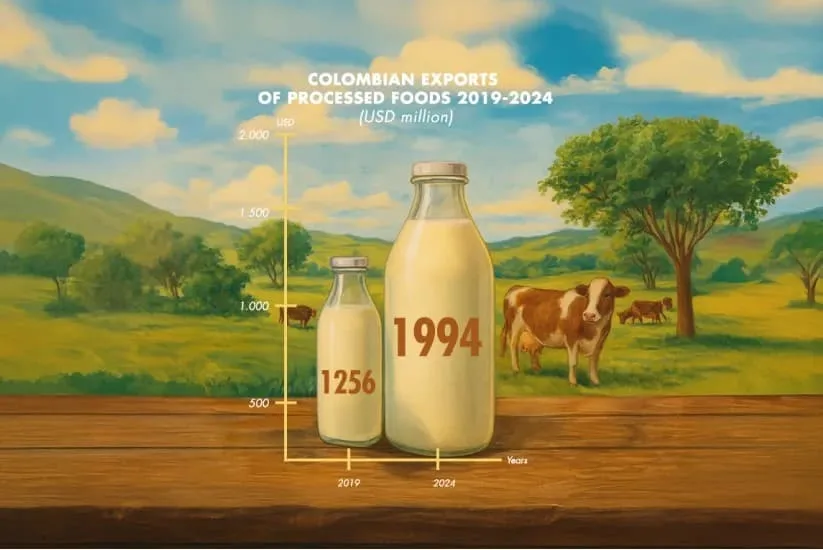
In 2024, the agroindustrial sector accounted for 25% of the national agri-food Gross Domestic Product – GDP (Source: DANE). The sector has shown strong export performance, with Colombian processed food exports growing at a compound annual rate of 10.1% between 2019 and 2024—rising from USD 1.265 billion to USD 1.994 billion (Source: DANE, DIAN).
Looking ahead, the sector is expected to maintain its momentum, with projected annual sales growth of 6.0% from 2024 to 2029.
The Colombian government has established a supportive institutional framework and is implementing a reindustrialization policy to foster added value in agro-industrial production. This includes efforts to close productivity gaps, enhance product diversification and sophistication, and strengthen food supply chains.
Colombia offers opportunities throughout the entire value chain—from supplying a growing and more sophisticated local market to using native ingredients to develop premium and healthy processed food exports. There is also potential for replacing imported inputs, investing in R&D, adopting innovative packaging, and supporting export-related services.
1. Natural Wealth
As part of the agricultural sector, the processed food industry depends on specific natural conditions to thrive. Colombia has characteristics that make it a uniquely favorable location.
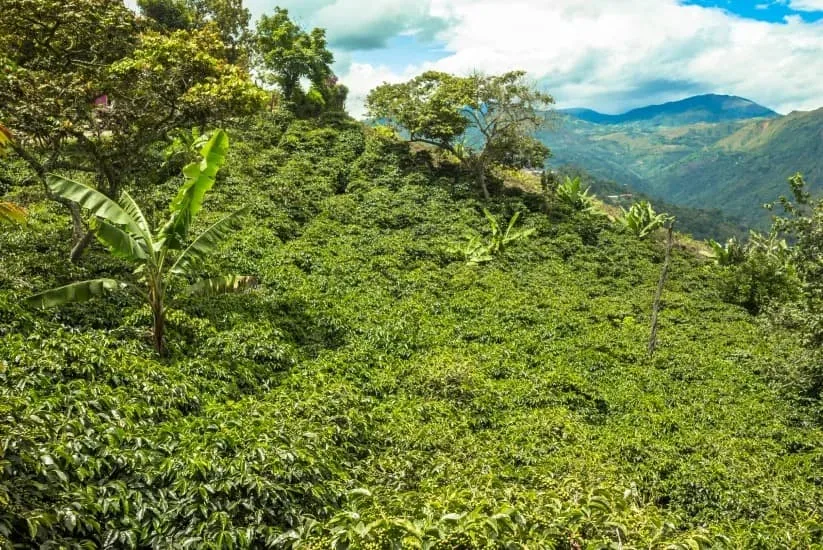
It is one of the most biodiverse countries in the world, with a variety of climates that allow the cultivation of a wide range of crops—from potatoes to exotic fruits. This is complemented by vast areas of fertile land suitable for agriculture.
In addition, Colombia offers ideal conditions for sustainable processed food production, with approximately 40 million hectares of agricultural frontier and ample water availability.
These factors give Colombia a rare competitive advantage: the capacity to maintain agricultural production year-round. This not only results in an unparalleled abundance of fruits and other high-quality foods—like coffee and cocoa—but also guarantees year-round access to agricultural raw materials for the industry.
2. Colombian Talent
Any international company will quickly recognize that Colombian talent drives both the quality and volume of production. The country’s workforce includes professionals trained in local universities, several of which are ranked among the best in the region and the world.
Combined with strong work policies that align with company needs, the entrepreneurial mindset of Colombians makes local talent a key asset in the growth of the processed food sector and improves the food sector competitiveness.

3. Market Reach
Colombia’s strategic location at the heart of the Americas makes it a regional food hub. It serves as a central platform for distributing goods across the continent.
This advantage is strengthened by Colombia’s extensive network of trade agreements and well-developed air, land, and sea infrastructure.
Moreover, Colombia offers a domestic market of more than 50 million consumers—an attractive opportunity for food tech companies and international investors seeking to meet global food demand.
The Case of Nestlé
Nestlé’s presence in Colombia dates back more than 100 years, when the company first arrived in the country of beauty. Over the decades, it has discovered countless opportunities in the processed food sector.
Felipe González, CEO of Nestlé Colombia, shared insights from this journey in our podcast Why Colombia.
According to him, the country’s key advantages include the talent of its workforce, the size of the domestic market, and its geographic and natural conditions.
González also highlighted Colombia’s great potential to expand agricultural production. These factors not only reinforce the company’s decision to stay but also inspire plans for expansion and ongoing investment in productivity.
If you’re interested in learning more about this success story, listen to the Why Colombia podcast episode featuring Nestlé. And if you want to explore more about Colombia’s processed food industry, don’t miss this content prepared by ProColombia to help you understand the country’s unique advantages.
Other documents