
Why is investing in citrus products from Colombia a strategic decision?
With its privileged location, solid logistics infrastructure, and a growing productive ecosystem, Colombia has become an ideal destination for the development, production, and commercialization of citrus products. In recent years, the country has not only increased its output but also established itself as a key player in the international citrus fruit market.
Discover why investing in Colombia’s citrus products sector is not only profitable but also a promising opportunity backed by sustained growth and strong institutional support.
What is the current outlook for citrus fruit production and exports in Colombia?
Colombia has seen remarkable growth in the fruit and vegetable sector, particularly in citrus fruit production and exports. Between 2019 and 2023, domestic citrus cultivation grew at a compound annual rate of 2.4%, while exports rose at an impressive 34.6% between 2019 and 2024 (Source: Ministry of Agriculture and Rural Development).
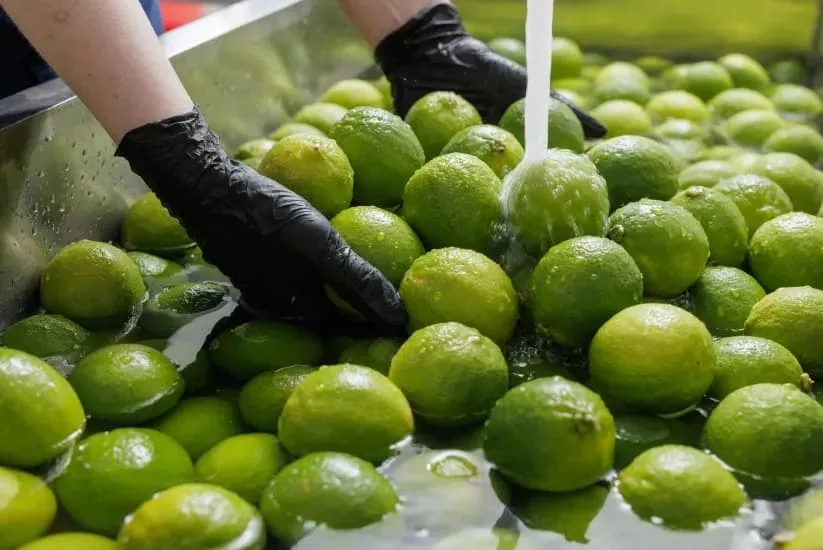
Within this context, lemon Tahiti has emerged as the leading product, accounting for 95% of citrus exports in 2024 (Source: DANE, DIAN). Oranges and mandarins also play a key role: oranges are among the most widely produced tropical fruits in the country, and mandarins have grown significantly thanks to the Arrayana variety.
Colombia’s citrus fruit supply chain includes more than 100 companies, many of which have export experience and international certifications. As a result, Colombia’s citrus products exports jumped from USD 9 million in 2016 to over USD 140 million in 2024, achieving a compound annual growth rate of 42% during this period (Source: DANE, DIAN).
What investment opportunities does Colombia offer in the citrus sector?
Colombia offers diverse and strategic investment opportunities in the citrus processing industry. There is significant potential to expand citrus cultivation areas and optimize production processes, which would help meet increasing domestic and international demand.
There is also strong interest in improving product quality and traceability. In this regard, investing in international certification processes—such as Global G.A.P.—opens direct access to demanding markets like the European Union, the United States, and Canada.
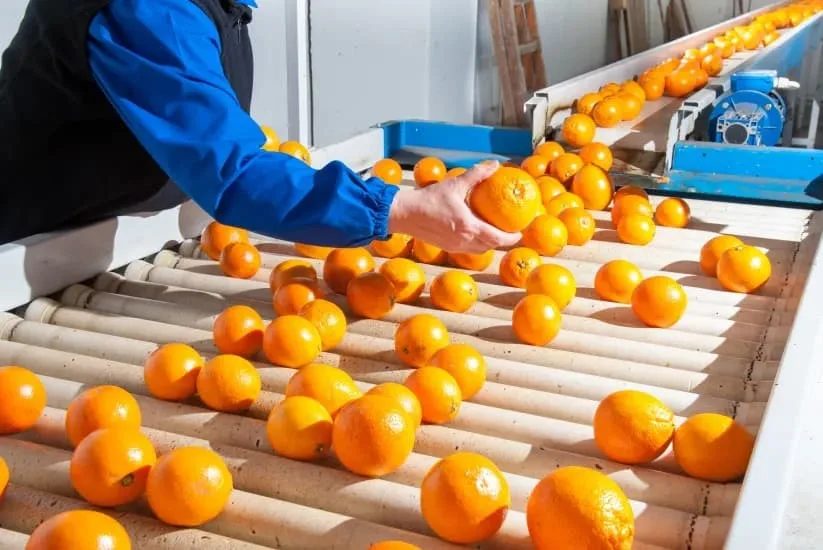
Another important opportunity lies in establishing citrus processing industry facilities in Colombia. The production of juices, essential oils, extracts, and other citrus products not only adds value to the citrus fruit supply chain but also creates new avenues for marketing and diversification.
What advantages does Colombia offer over other producing countries?
One of Colombia’s key advantages is its strategic location. Situated in the heart of the Americas, the country has access to both the Pacific and Atlantic oceans. It also benefits from preferential access to over 1.5 billion consumers through 18 active trade agreements. In addition, Colombia operates 3,500 maritime and 2,400 air export routes, and Bogotá’s El Dorado Airport is one of Latin America’s top cargo hubs.
Infrastructure has also improved significantly. The national agro-industrial sector reindustrialization policy encourages investment in transportation, digital connectivity, and sustainability, all aimed at strengthening agricultural product value chains. This means that, as an investor, you can tap into an ecosystem where producers are increasingly connected to processors, marketers, and exporters.
Colombia also has a solid institutional framework that supports green investment agriculture. Agencies such as the Ministry of Agriculture, the Colombian Agricultural Institute (ICA), and the Rural Agricultural Planning Unit (UPRA), among others, provide technical assistance, health oversight, and strategic guidance. The country’s 19 investment agreements in force—along with seven more in progress—further highlight its commitment to attracting foreign investment.
Why is now the ideal time to invest?
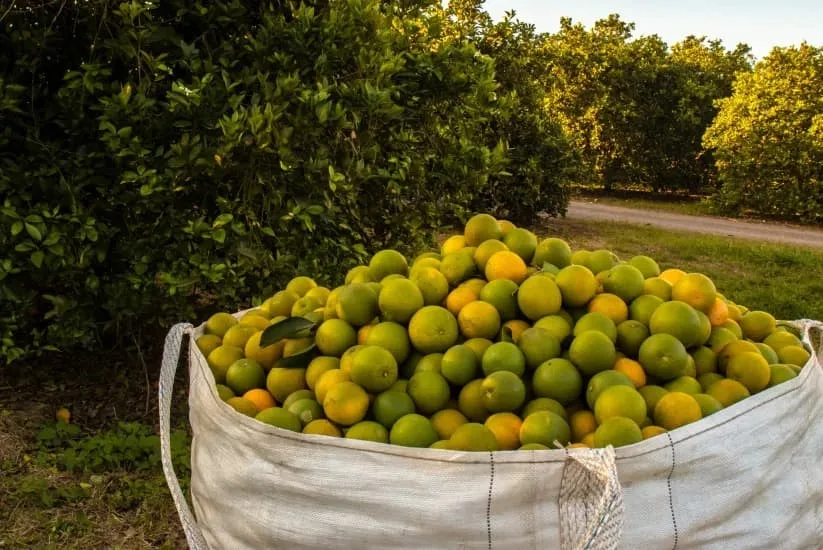
Colombia’s citriculture sector has not only proven to be profitable and competitive but is currently in a phase of expansion backed by public policies, favorable market conditions, and a mature business ecosystem. Thanks to favorable weather conditions, citrus cultivation is possible year-round, ensuring continuous supply to international markets. Additionally, each hectare of citrus farming generates an average of two direct and three indirect jobs, making this a key industry for local development.
Sustained export growth, combined with producers’ adaptability and rising global demand for healthy and sustainable foods, positions Colombia as a country with unique competitive advantages in the citrus fruit market.
How can an investor get started?
For interested investors, the doors are open. There are various partnership models with local producers, along with incentives for sustainable foreign investment. Partnering with established companies that already hold certifications and operate export channels is an effective way to reduce risks and accelerate returns.
It is also possible to set up independent operations by leveraging Colombia’s favorable regulatory environment, skilled local workforce, and institutional support in logistics, farming technology, and international expansion.
Investing in the production and commercialization of citrus products from Colombia is more than just a business opportunity: it’s a strategic move supported by government backing, access to global markets, strong logistics infrastructure, and a thriving citriculture environment that continues to grow every year. Discover more investment opportunities on our platform.
Other documents